
News
7 Benefits of Stainless Steel
Jan 29, 2026
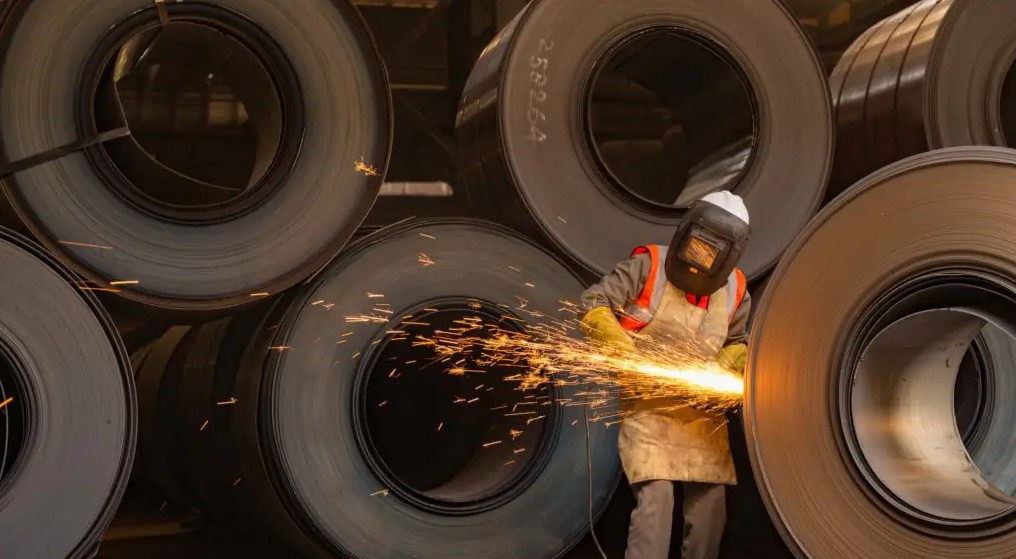
Stainless steel is durable, corrosion-resistant, heat-resistant, hygienic, sustainable, and aesthetically pleasing, making it an ideal choice for residential, commercial, and industrial projects.
Properties of Stainless Steel
To fully understand the advantages of stainless steel as a material widely used across various industries, it is essential to understand its properties. These properties make it an ideal material for manufacturing, rigging and cable production, as well as commercial, industrial, and residential projects. Here are seven key properties of stainless steel that offer numerous benefits:
1. Corrosion Resistance
One of the most prominent and well-known properties of stainless steel is its exceptional corrosion resistance. First invented by Harry Brearley in 1913, stainless steel was hailed as the world's first "rust-free steel." The addition of chromium was key to this property and is considered a major breakthrough in its development. Since then, stainless steel has undergone tremendous evolution, now boasting many different types and grades. We commonly use 316 grade stainless steel, which also contains 3% molybdenum. This further enhances its resistance to industrial acids and alkalis, making it particularly durable in high-salt environments, such as coastal areas. This core characteristic has led to its widespread use globally.
2. Fire and Heat Resistance
The durability of stainless steel as a material is a recurring theme throughout this blog, and its fire and heat resistance is an integral part of that. Stainless steel possesses this property because it resists oxidation even at high temperatures. This allows it to effectively maintain its strength under harsh, extreme temperature conditions. Chromium plays a crucial role again in this regard, making stainless steel an ideal choice for fire resistance and flame retardancy. In this respect, it outperforms materials like galvanized steel and aluminum.
3. Hygiene
Another, perhaps less obvious but vital, advantage of stainless steel is its hygiene. Stainless steel is an extremely hygienic material because it is very easy to clean and disinfect. Its smooth, shiny, and non-porous surface means that dirt, grease, and bacteria have difficulty adhering to its surface. Even if they do, they are easily wiped clean. This ease of cleaning and maintenance makes stainless steel ideal for environments with extremely high hygiene requirements. This is why professional kitchens are almost entirely made of stainless steel, and why it is widely used in hospitals, laboratories, factories, and other similar locations.
4. Impact Resistance and Strength
Stainless steel is an extremely tough, durable, and highly impact-resistant material. This is partly because stainless steel does not easily become brittle at both high and low temperatures. This not only means that the material can maintain its shape but also that it is easier to perform welding, cutting, and machining operations near its melting point, such as the machining we do when making railings. Interestingly, due to its strength under low-temperature working conditions, it is also often used in low-temperature applications, further demonstrating its exceptional strength.
5. Aesthetic Appeal
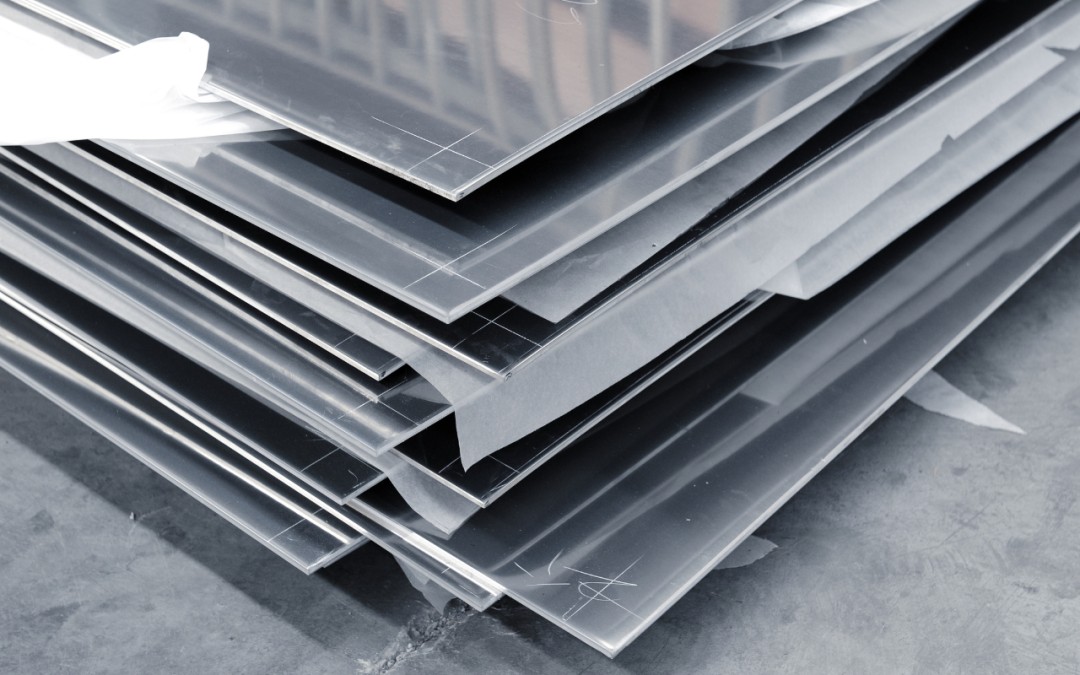
Another, perhaps superficial but equally important reason many choose stainless steel is its beautiful appearance. Since its inception, stainless steel has been considered an elegant, beautiful, and modern material. Many appreciate its pure, clean sheen. It's also a timeless material, increasingly popular in residential and commercial real estate worldwide as a functional and decorative option. Furthermore, it pairs perfectly with most other materials, styles, and colors.
6. Sustainability
Another often overlooked but crucial advantage of stainless steel, and a global concern, is its high sustainability. Stainless steel is typically made from approximately 70% scrap metal, meaning its base material comes from waste materials that would otherwise be wasted. Moreover, stainless steel is 100% recyclable in its original state, meaning it can be reused even after it no longer serves its original purpose. Unlike some other materials, stainless steel does not leach toxic chemicals during recycling, reducing the need for mining rare elements that play a vital role in its production.
7. Long-Term Value
Considering the durability of stainless steel and all other factors mentioned above, its total life-cycle cost is very attractive. The increasing prevalence of stainless steel in society has intensified competition among suppliers, meaning its price has remained more competitive than ever before. Furthermore, the maintenance costs of stainless steel are relatively low.
Conclusion
As you can see, stainless steel offers numerous undeniable advantages. It provides durability, hygiene, corrosion resistance, aesthetics, and long-term value for residential, commercial, and industrial projects.
Shandong Rio Tinto specializes in stainless steel processing, construction rigging, cable manufacturing, and custom metal solutions. Whether your next project involves handrails, railings, safety barriers, or structural systems, stainless steel provides the strength and visual appeal you need. Contact us today to discuss your project and learn how stainless steel can be the perfect solution for your needs!